

Gut health can play an important role in digestion, energy levels, and overall wellness. It may also support your weight management journey when combined with healthy habits.
This gut health guide will show you simple steps that can support digestion and overall wellness.
This gut health guide is designed for beginners who want simple habits for better digestion and overall wellness.
If your gut health is not balanced, you may experience issues like bloating, digestive discomfort, cravings, or low energy. In this guide, you will learn simple habits that may help support better gut health naturally.
Table of Contents
2. What Is Gut Health?
Gut health is a reference to how well your digestive system is working, and in this article, we will help you balance the good vs the bad bacteria that live in your gut.
People forget that gut health doesn’t only apply to your stomach, it is made up of the entire digestive tract. The digestive tract is made up of your stomach, intestines and your colon.
All sorts of bacteria and microorganisms live inside your gut, which we call them the gut microbiome.
The Gut Microbiome
Your gut is full of bacteria, which is not a bad thing, since not all of them are harmful. The bacteria living inside your body break down into 2 main types:
✅ Good bacteria
- Good bacteria support digestion and help your body process nutrients.
- They also play a role in immune system support and maintaining a balanced gut environment.
❌ Bad bacteria
- An unhealthy gut balance is often linked with:
- Cravings
- Digestive discomfort
- Bloating
- Lower energy in some people.
⚠️ 3. Signs of Poor Gut Health
Common signs of poor gut health may include bloating of the stomach, constipation, feeling tired or fatigued all the time, craving sugary snacks and soft drinks, as well as stomach discomfort.
4. Gut Health Guide: Simple Habits That Support Digestion
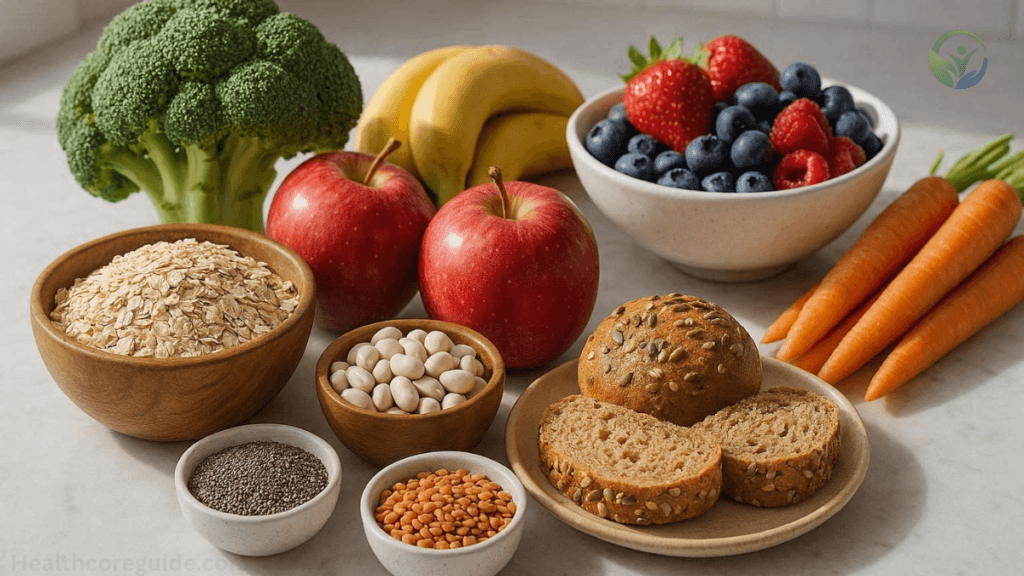
Step 1: Eat More Fiber-Rich Foods
Eating more fiber supports beneficial gut bacteria and helps keep digestion regular over time. Need fiber recommendations? Eat more vegetables, try snacking on fruits instead of processed snacks, and try adding oats to your diet, as well as whole grains.
Step 2: Add Foods With Probiotic Properties
Adding probiotic-rich foods to your daily diet supports a healthy gut microbiome by providing beneficial bacteria. A good way to increase probiotics in your diet is to eat more yogurt, try adding kefir too, and fermented foods are a great source of probiotics.

Step 3: Reduce Highly Processed Foods
Highly processed foods and sugary snacks can make it harder to maintain a balanced gut when consumed too often, and they can negatively affect your gut balance.
Step 4: Drink More Water
Staying hydrated can have many good effects on your gut health. It can improve digestion, as well as help your body absorb nutrients more efficiently.
5. Improve Sleep & Reduce Stress
Sleep and stress also affect your digestive routine. Poor sleep and high stress can make it harder to stay consistent with healthy eating, hydration, and daily movement.
Improving your sleep schedule and managing stress can support both gut health and weight management.
If you are also trying to lose weight, working on your gut health as well can have a good impact on your journey to lose weight. You can get recommendations for weight loss from our article: 👉HERE
6. Supplements That Support Gut Health
Probiotics are the main thing that comes to mind when you ask about gut health. While managing your diet, you can also add supplements to it, they might have a positive effect on your diet when used cautiously and at the designated dosages. If it’s hard for you to add fiber-rich foods to your diet, you can add fiber supplements to your daily routine that help aid your gut health.
⚠️ 7. Common Mistakes to Avoid
There are a couple of mistakes people make when focusing on their gut health. The first mistake people make is not cutting down on sugary and processed foods, they also forget about fiber. Fiber is crucial to gut health, as well as not hydrating well enough, to the point that it has a negative effect on the gut.
❓ 8. Frequently Asked Questions
How long does it genuinely take to improve gut health?
You can’t improve your gut overnight. You have to be consistent with your diet, but you can expect to see changes quickly. Even as soon as a few days, you can see less bloating and improvements in digestion. In 2 to 4 weeks, you can expect improvements in your energy levels, as well as consistent digestion. In about 1 to 3 months, you can see improvements in strength, and you will have a more balanced gut microbiome.
👉The best way to improve gut health is to be more consistent. Improving on small daily habits by adding more fiber in your diet, drinking more water, as well as reducing highly processed food intake can go along way.
What foods support gut health?
There’s no such thing as a magical food that can improve your gut health overnight, you need to stick to a healthy diet, and that is the only way.
Best foods to have in mind that aid the health of your gut
- High fiber foods like vegetables, oats, whole grains, and fruits
- Fermented foods like kefir and yogurt
- Prebiotic foods like onions, garlic, and weirdly bananas
- Healthy fats like olive oil and nuts
Are probiotics really helpful?
Yes, probiotics work, they have been used to help people’s gut health for years now, but they don’t bring a miracle-based solution.
What probiotics can do:
- They support the healthy gut bacteria
- They support healthy digestion
- They can help with digestive balance
What they don’t do:
- They can’t fix your gut overnight
- They also can’t replace a healthy and balanced diet
Conclusion for gut health guide
Use this gut health guide as a simple starting point for improving your daily routine and supporting better gut health over time.
If you liked this gut health guide and want support for digestion and tend to have difficulties controlling your appetite, you can also check out our guide on the best supplements: 👉HERE
Disclaimer
This article is for informational purposes only and does not constitute medical advice. Always consult a qualified healthcare professional before making changes to your diet, exercise routine, or supplement use.