
Trying to lose weight can feel frustrating, especially when you believe you are eating better and exercising more, yet still not seeing the results you want.
The truth is, weight loss is not always as simple as eating less and exercising more. Your daily habits, food choices, how much quality sleep you get, stress, activity level, portion sizes, and consistency all play a role. 🧠
Healthy weight loss works best when it is built around balanced eating, regular physical activity, enough sleep, stress management, and realistic long-term habits.
You don’t have to be doing anything wrong for your progress to slow down or stop. If it does, you might just need to find the hidden issue that is holding you back. 🔎
In this guide, we will uncover the 10 most common reasons you are not losing weight and how to properly fix them. We have an excellent article about: Healthy Weight Loss
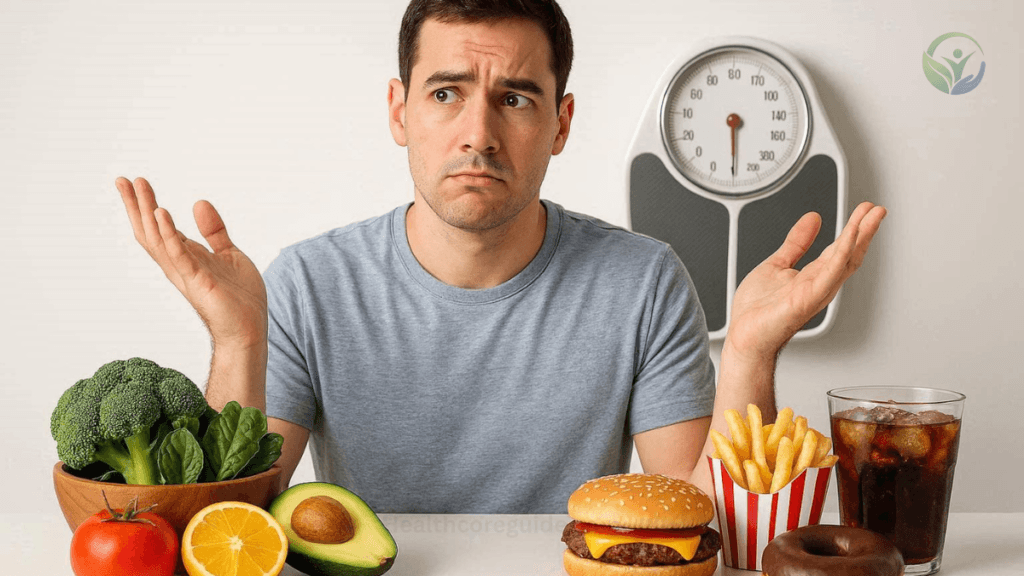
Table of Contents
1. You Might Be Eating More Calories Than You Think 🍽️
The most common problem people have with losing weight is that they are unknowingly eating more calories.
You don’t have to be overeating on purpose. Most of the calories you think you aren’t consuming are easy to miss.
- Small things can add up quickly:
- Cooking oils
- Sauces and dressings
- Coffee creamers
- Sugary drinks
- Snacks
- Nuts and nut butters
- Healthy protein bars
- Large portions of rice, pasta, or bread
For example, a salad can be healthy, but if it has a large amount of dressing, cheese, nuts, and oil, it may contain a lot more calories than you expected.
Weight loss does require a calorie deficit, which means your body uses more calories than you consume. When your calorie intake matches the calories you burn, weight loss can stop. ⚖️
For general healthy weight guidance, you can also review CDC healthy weight resources.
How to fix it ✅
Start by tracking your food honestly for 5 to 7 days without leaving anything out.
You do not need to track everything you eat long term, but in the short term, tracking can help you understand where the unwanted calories are coming from.
- Focus on:
- Measuring oils and sauces
- Checking portion sizes
- Tracking snacks
- Reducing liquid calories
- Reading nutrition labels
A simple fix is to keep your meals mostly built around lean protein, vegetables, fruit, whole grains, and healthy fats in controlled portions.
2. Your Portions Are Too Large 🍚
Healthy foods can slow weight loss if the portions you are eating are too big.
Foods like rice, oats, olive oil, nuts, avocado, peanut butter, and whole-grain bread can be part of a healthy diet, but they are still high in calories.
This is where many people get stuck with no results. They start eating healthier foods, but do not pay attention to the portion sizes enough. 🧩
Remember, a meal can be really nutritious and still contain higher amounts of calories than your body needs for weight loss.
How to fix it ✅
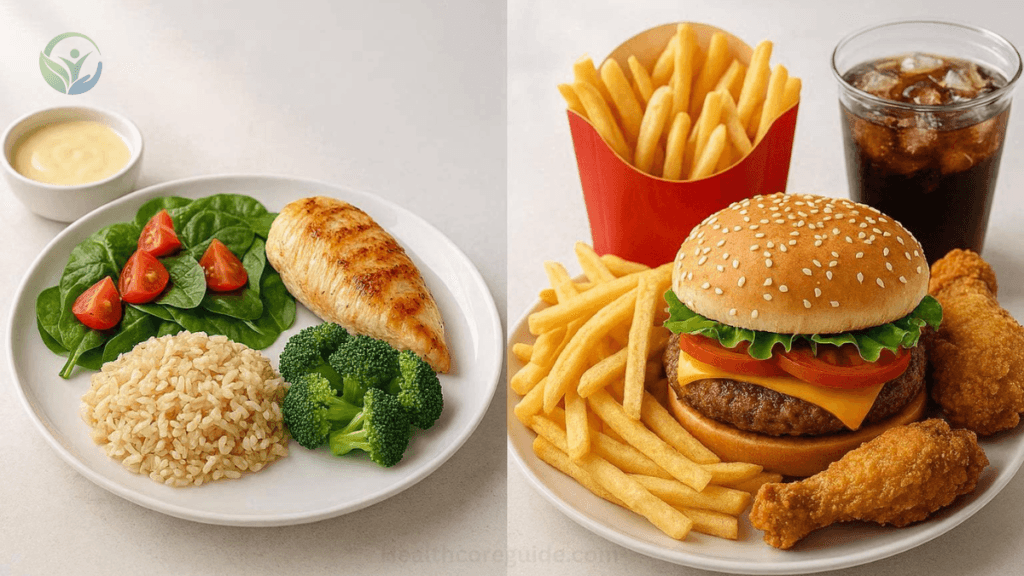
- Give the plate method a try:
- Half your plate: vegetables
- One quarter: protein
- One quarter: whole grains or healthy carbs
- Small portion: healthy fats
- You can also use simple portion guides:
- Protein: palm-sized portion
- Carbs: fist-sized portion
- Fats: thumb-sized portion
- Vegetables: 2 handfuls or more
This can make weight loss easy without needing to count every calorie. Our article can help you if you need any recipes for your weight loss journey: 7-Day Meal Plan
3. You Are Not Eating Enough Protein 🍗
Eating enough protein is one of the most helpful habits for weight loss.
It helps you feel satiated longer, supports muscle maintenance, and makes meals more satisfying. If your meals are mostly carbs and fats with very little protein, you may feel hungry again quickly. 🥩
- Low-protein meals can lead to:
- More cravings
- More snacking
- Less fullness
- Lower meal satisfaction
- Difficulty maintaining muscle while losing weight
This doesn’t mean you need an extremely high-protein diet. But most people trying to lose weight will benefit from consuming protein in every main meal.
How to fix it ✅
Add a protein source to breakfast, lunch, and dinner. Remember, watch out for portion size.
- Good options include:
- Eggs
- Greek yogurt
- Chicken breast
- Turkey
- Tuna
- Salmon
- Lean beef
- Cottage cheese
- Beans
- Lentils
- Tofu
A simple and healthy breakfast upgrade could be replacing sugary cereal with Greek yogurt, berries, and oats.
A quick and healthy lunch upgrade would be adding grilled chicken, tuna, eggs, or beans to your salads.
Small and easy changes like this can make meals more filling, tastier, and easier to stick to. 💪
4. You Are Drinking Too Many Calories 🥤
Liquid calories, especially soft drinks, are one of the easiest ways to accidentally consume extra calories and slow down your progress.
Drinks don’t make you feel satiated the same way as solid food, but they can still add a huge number of calories.
- Common examples include:
- Soda
- Juice
- Sweetened coffee drinks
- Energy drinks
- Alcohol
- Smoothies with too many calorie-dense ingredients
- Flavored milk drinks
Even those smoothies that are marketed as healthy but are actually very high in calories if they include too much peanut butter, honey, or added sweeteners. 🧃
How to fix it ✅
- Choose mostly low-calorie drinks:
- Water
- Sparkling water
- Unsweetened tea
- Black coffee
- Lemon water
You don’t need to remove every drink that you actually enjoy. Start by replacing them one by one, removing those high-calorie drinks and replacing them with water.
That one change alone can have a meaningful difference over time. 💧
5. You Are Not Moving Enough Outside the Gym 🚶
Many people focus only on workouts, but movement throughout the day also matters.
You might exercise for 30–45 minutes, but if you sit for most of the day, your total daily calorie burn may still be lower than you expected.
- Daily movement includes:
- Walking
- Cleaning
- Taking stairs
- Standing more
- Running errands
- Light activity throughout the day
This is important because weight loss depends on your overall lifestyle, including things like your diet and more, not only your workout routine. 🏃

How to fix it ✅
When talking about your step goal, try to increase the daily step count over time. Starting with very high step counts can make you burn out quickly.
- Start with a realistic goal:
- Beginner: 5,000–6,000 steps per day
- Intermediate: 7,000–8,000 steps per day
- Advanced: 9,000–10,000+ steps per day
- You can also add small habits:
- Walk after meals
- Park farther away
- Take the stairs
- Stand up every hour
- Do short walks during breaks
These actions can add up over time and support your progress. 📈
6. You Are Not Sleeping Enough 😴
Sleep is one of the biggest factors in weight loss.
When you don’t get good sleep, it becomes more challenging to control hunger, cravings, motivation, and energy. Bad sleep quality can also make workouts feel harder and increase the chances of choosing high-calorie foods. 🌙
If you are consistently sleeping poorly every night, your weight loss plan may feel much harder than it seems.
How to fix it ✅
First, improve your sleep schedule, focus on quality sleep before making your diet more extreme.
- Try this:
- Go to bed at the same time most nights
- Avoid heavy meals right before bed
- Reduce screen time before sleep
- Keep your room dark and cool
- Avoid caffeine late in the day
- Create a relaxing evening routine
Aim to get a better sleep schedule. Better sleep can make healthy eating and exercise much easier to maintain consistently.

7. Stress Is Making Consistency Harder 🧘
Stress can affect your everyday habits, which can lead to choices that make it harder to stay consistent with your weight loss routine.
- When stress is high, people often:
- Snack more often
- Crave sugar or fast food
- Sleep worse
- Skip workouts
- Eat emotionally
- Lose motivation
Stress can also make it fairly harder to stay patient. You may start looking for extreme diets or quick fixes instead of building a good and healthy plan. ⚠️
How to fix it ✅
You have to start off by managing your stress; there is no need to rush this process because it can be extremely unmotivating.
- Give these a try:
- Daily walking
- Deep breathing
- Stretching
- Journaling
- Reducing screen time
- Spending time outside
- Preparing meals in advance
It is easy to snack when dealing with stress, so try to pause before eating. If you find yourself snacking when stressed, try the pause habit, where you ask yourself before eating: Am I really hungry or just triggered?
8. You Are Relying Too Much on Supplements 💊
Supplements are not the core foundation of weight loss, but they can help if you add them cautiously to your diet.
Some supplements can support appetite control, energy levels, digestion, or metabolism. But they can’t replace a healthy diet, movement, sleep quality, and consistency.
If you rely only on supplements to make the changes for you, while ignoring your daily habits, you may not see the results you expected. ❌
How to fix it ✅
Try to use supplements as support or aid to your diet, not a complete replacement.
- Your foundation should be:
- Balanced meals
- Protein and fiber
- Calorie control
- Daily movement
- Sleep
- Consistency
Once you have made a strong foundation, supplements may help with your goals, like appetite control or energy levels. In our article, we have a curated list comparing the different supplements: The Best Weight Loss Supplements For 2026
9. You Are Expecting Results Too Fast ⏳
Healthy weight loss can take time; you need to be patient.
Many people quit because they want to see results in a very short period. But your body weight can fluctuate daily because of water, salt, hormones, and digestion.
Some weeks you may see progress, while other weeks the scale may not move much. Don’t be instantly demotivated; that doesn’t mean your plan is failing, you just need to be consistent, and the result will come.
How to fix it ✅
Track more than just scale weight.
- Try using:
- Progress photos
- Waist measurements
- Energy levels
- Strength in workouts
- How clothes fit
- Weekly weight averages
Don’t be harsh on yourself because of the number on the scale.
Instead, weigh in a couple of times per week to get your average weight. This gives a more accurate result instead of one random weigh-in a week, which can fluctuate depending on a lot of factors.
10. You Hit a Weight Loss Plateau 📉
A plateau is when you stop achieving weight loss after a period of time.
This can be normal and does not always mean your plan is failing.
As you lose weight, your body may burn fewer calories than before because a smaller body often requires less energy. This doesn’t mean your plan just became bad. It means you may need to start readjusting the plan to fit your new body. 🧠
How to fix it ✅
First, confirm it is a real plateau; don’t rush into assumptions.
A true plateau usually means you stop seeing changes even while being consistent for 3 to 4 weeks.
- Then adjust one or two things:
- Increase daily steps
- Reduce portions slightly
- Add strength training
- Improve sleep
- Track food more accurately
- Reduce liquid calories
- Add more protein and vegetables
Don’t start cutting calories too aggressively. Starving yourself can make the plan harder to follow and may lead to snacking on unhealthy things later, in turn making it worse.
Quick Checklist: What to Fix First ✅
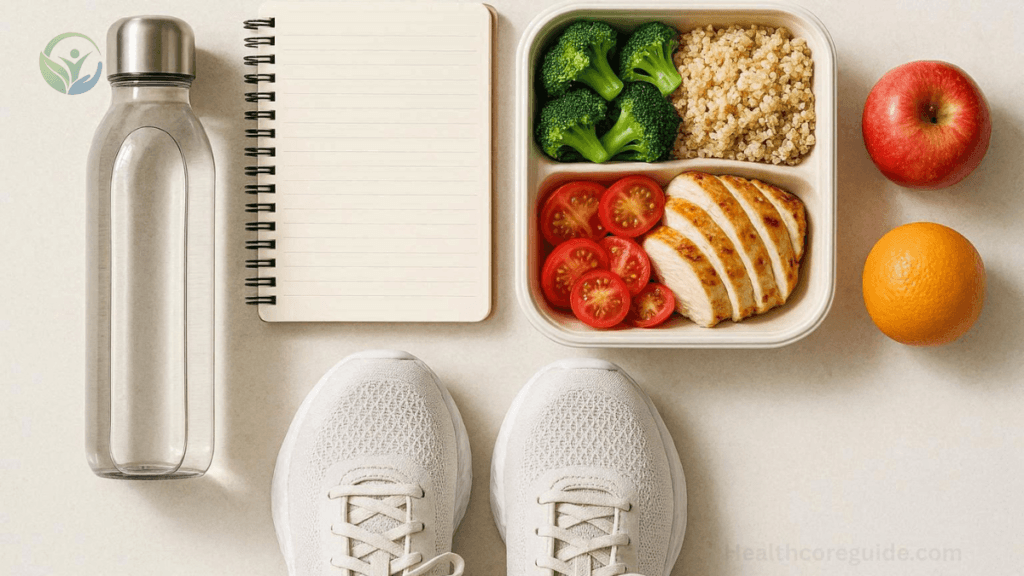
If you find yourself not losing weight, don’t try to fix everything at once; do it step by step.
- Start here:
- Track your food for one week
- Add protein to every meal
- Replace sugary drinks with water
- Walk more daily
- Sleep better
- Reduce stress eating
- Be patient with progress
- Use supplements only as support
When Should You Be Concerned? 🩺
If you are following a healthy plan consistently but still cannot lose weight, it may be worth speaking with a healthcare professional. There might be an underlying problem with your body, and it is a good idea to get professional guidance.
- This is especially important if you also experience symptoms like:
- Extreme fatigue
- Sudden weight changes
- Irregular periods
- Hair loss
- Digestive problems
- Unusual swelling
- Medication-related weight changes
Recommended Reading 📌
If you want to keep improving your results, click these next:
- How to Lose Weight in a Healthy Way
- 7-Day Healthy Weight Loss Meal Plan for Beginners
- Best Weight Loss Supplements for 2026
- How to Improve Gut Health Naturally
Final Thoughts 🌿
If you are not losing weight, don’t panic; it might be a small issue.
Most of the time, the problem is not your body. It is usually one or more small habits that you need to replace with better ones. 🧩
- Start with the basics:
- Eat enough protein
- Control portions
- Drink mostly water
- Move daily
- Sleep better
- Manage stress
- Stay consistent
Medical Disclaimer
This article is for informational purposes only and does not constitute medical advice. Always consult a qualified healthcare professional before making major changes to your diet, exercise routine, supplement use, or weight loss plan.